Water hazards and situations
Notice situations presented by the model.
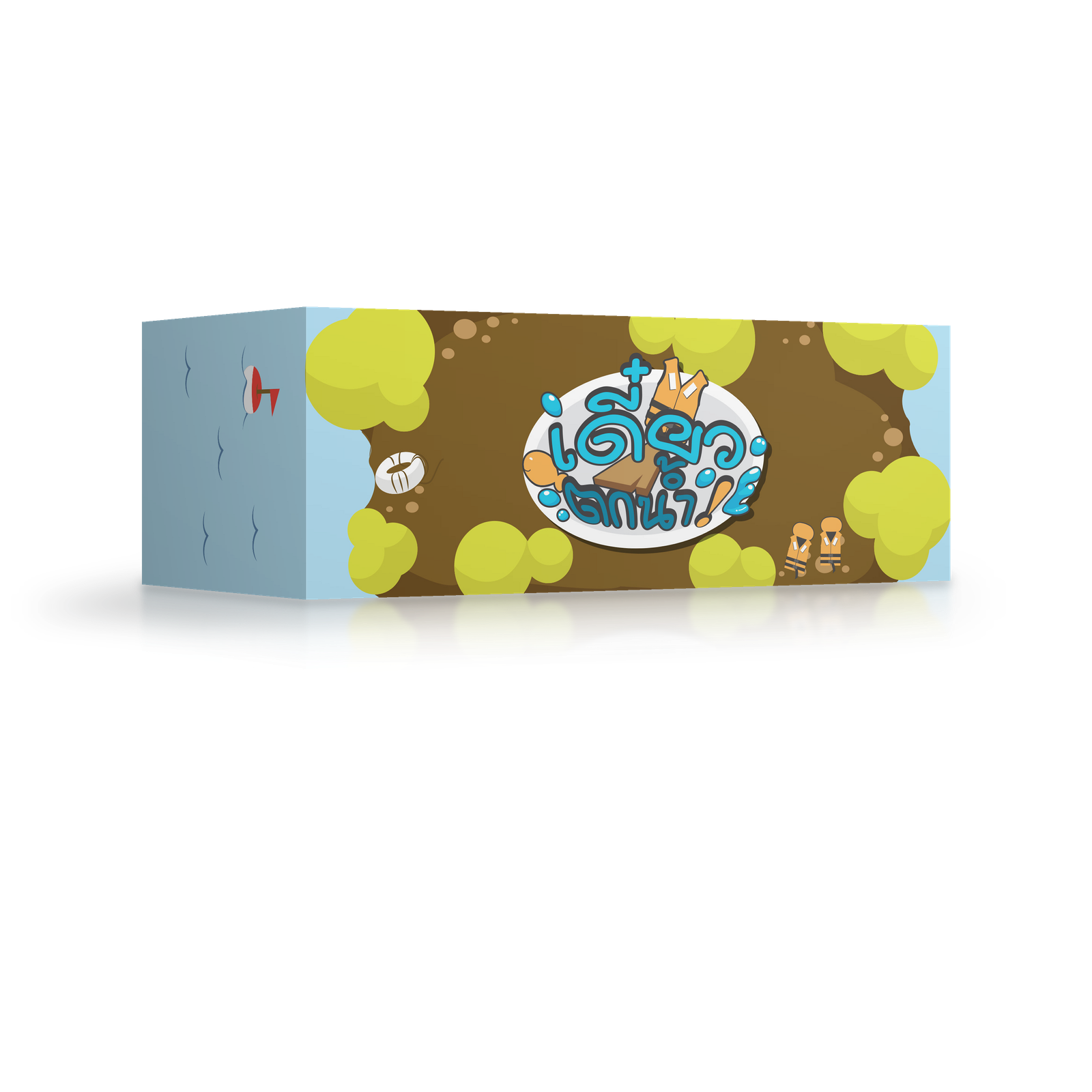

GAME · Water safety
Face simulated water-safety risks together.
A cooperative game in which players act as water guardians and place cards under different conditions in a simulated setting.
Ask the relevant organization about access and product details.
THE EXPERIENCE
Players are water guardians taking turns placing cards representing areas and risky behaviors.
The card-placement challenge opens a conversation about safety; it does not replace real supervision.
Follow the revealed situation’s instruction.
Consider using help cards under the rules.
Teachers, parents and facilitators working with children
Water-safety learning activities with adult supervision
OPEN THE BOX
Build a riverbank with the box and bridge, then place risk cards according to their instructions. Falling cards or other risk conditions cost life-ring cards; help cards can cover danger areas. The team wins by placing all risk cards, and loses if cards fall with no life-ring card remaining.
The box lid and base form riverbanks, with river-distance guides, a bridge, risk cards, help cards and life-ring cards. The 2018 rulebook starts play with four life-ring cards.
LEARNING THROUGH PLAY
Use the experience at the table as a starting point for questions and conversation.
Notice situations presented by the model.
Discuss teamwork and adults’ role in supervising children near water.
Read UNICEF guidance as part of the post-game discussion.
FROM PLAY TO CONVERSATION
For teachers, parents and facilitators. Adapt to your group and time.
An adult discusses nearby water and explains that the game is a model, not a replacement for supervising children near water.
Which places near water need adult supervision?
Notice placement of risk cards, the use of help cards and the team’s decisions.
How did the team respond to a risk area in the model?
Take five minutes after play. Ask children to pick one risk card and draw an imaginary waterway. An adult leads a discussion about where children should stay, who supervises them and whom they can ask for help. Use the linked UNICEF guidance.
If this happened near real water, which adult could a child tell and what should that adult do?
MADE WITH CARE
Credits follow the WoL work register and project sources; individual names remain to be checked.
KEEP EXPLORING
Each game opens another perspective. Find the next question you want to explore together.
Explore all games & toolkits →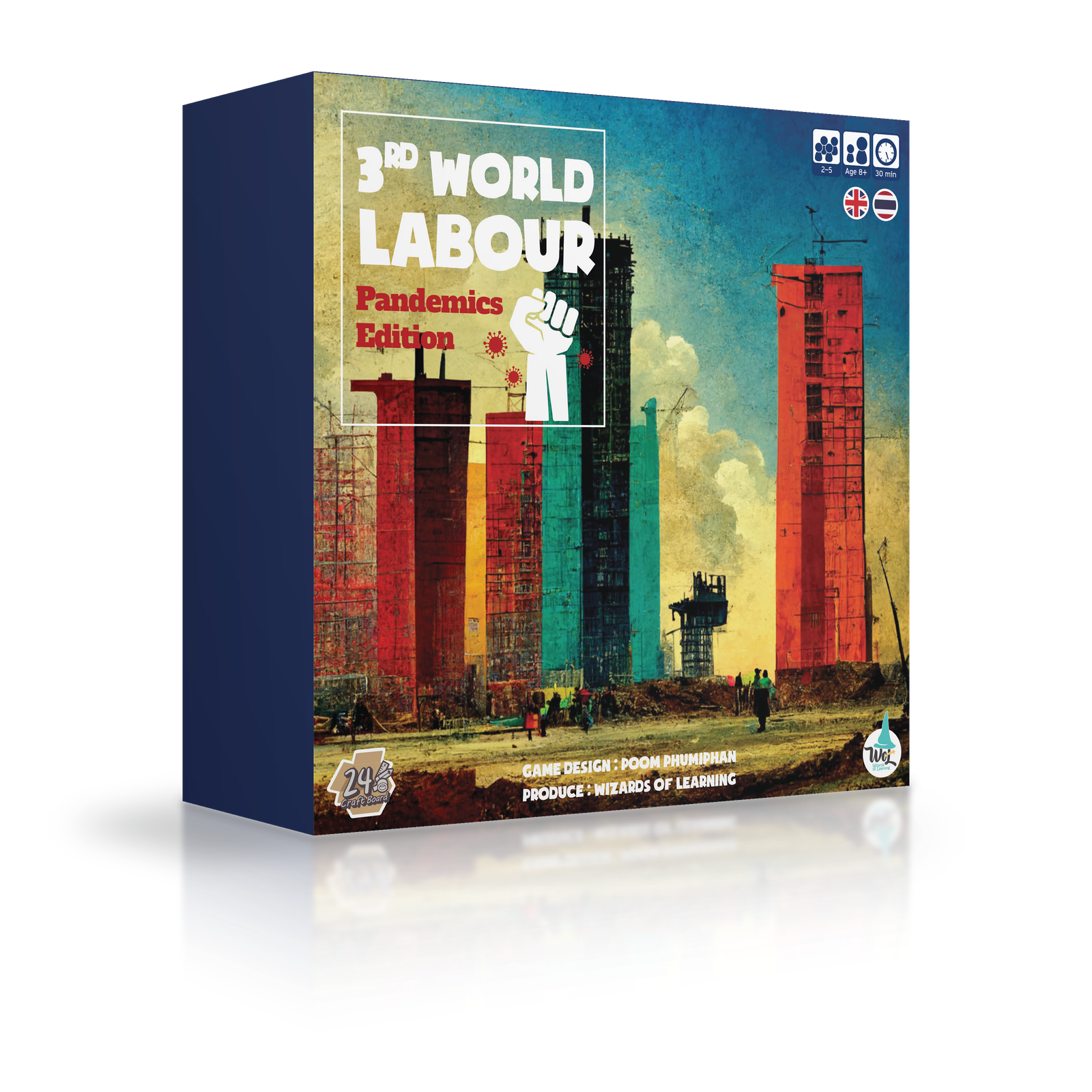
Go to work for wages, or stay home while the bills keep coming?
For sale
Elect a leader and see which projects can go ahead in two communities.
Request from organization
Elect a leader and see how budgets and policies shape your community.
Request from organization