Elections and budgets
Explore how elected candidates determine shared budgets.



GAME · Society & democracy
A game about local elections
Elect a leader and see how budgets and policies shape your community.
Elect leaders and spend shared budgets on your own projects. Scores depend on the policies of the three winning candidates and completed dreams.
Ask the relevant organization about access and product details.
In use & related media · 2 sources →THE EXPERIENCE
Players are residents with dreams for their community. Across three elections, choose leaders who set shared budgets and use limited resources to build projects in front of you.
At the end, the value of each project type depends on the policies of all three winning candidates; players also score for completed dreams.
Consider each candidate’s budgets and supported project types.
Choose your projects using a shared budget available to every player.
Young people, teachers, facilitators and people interested in local development
Classrooms, youth activities and conversations about local communities
Connections to themes in the game, not evidence of measured outcomes.
Simulate elections and participation in local development, connecting to participatory decision-making in target 16.7.
Read the UN goal ↗This content has not been approved by the United Nations and does not reflect the views of the United Nations or its officials or Member States. United Nations SDGs ↗
OPEN THE BOX
Play three rounds, electing a leader who sets shared budgets. Players use those budgets to build projects in front of themselves and use project abilities. After the third round, project scores depend on the priorities of all three elected candidates, with bonus points for completed dreams. The highest total wins.
One election board, one budget board, 14 voting cards, 14 dream cards, 11 candidate cards, 72 project cards, one first-player marker and four budget markers.
Images from Local Election Version 2 source materials. Open an image for full size.


LEARNING THROUGH PLAY
Use the experience at the table as a starting point for questions and conversation.
Explore how elected candidates determine shared budgets.
Compare individual projects and dreams with the budget shared by all players.
Notice how winners across all three rounds affect final project scores.
FROM PLAY TO CONVERSATION
For teachers, parents and facilitators. Adapt to your group and time.
Introduce player dreams, candidates and the shared budget. Explain that this edition scores projects using the priorities of all three winners.
How might voters’ chosen priorities differ from the projects individual players want?
Notice the budget set by each winner, projects built in front of players and policies accumulated across elections.
How did this round’s shared budget and policy change your project plan?
Compare project scores with the three winners’ policies, then discuss what the game simplifies or leaves out about local government.
What would matter when evaluating a real project beyond the game’s score?
PLAY OUT IN THE WORLD
Discover the game through events, player and teacher voices, and related studies.
Events, articles and videos from their original sources. Open each entry for its context, game edition and scope.
Showing 2 of 2 sources
King Prajadhipok’s Institute reports a Version 2 playtest and feedback activity with Triam Udom Suksa Pattanakarn Nonthaburi School.
School · Playtest
Organizer’s activity report
Local Election Version 2
King Prajadhipok’s Institute reports a phase-two game development activity on 13 August 2025 with Triam Udom Suksa Pattanakarn Nonthaburi School.
School · Game development
Organizer activity report
Version 2 development
MADE WITH CARE
Credits and roles follow the Local Election Version 2 rulebook, p. 11.
KEEP EXPLORING
Each game opens another perspective. Find the next question you want to explore together.
Explore all games & toolkits →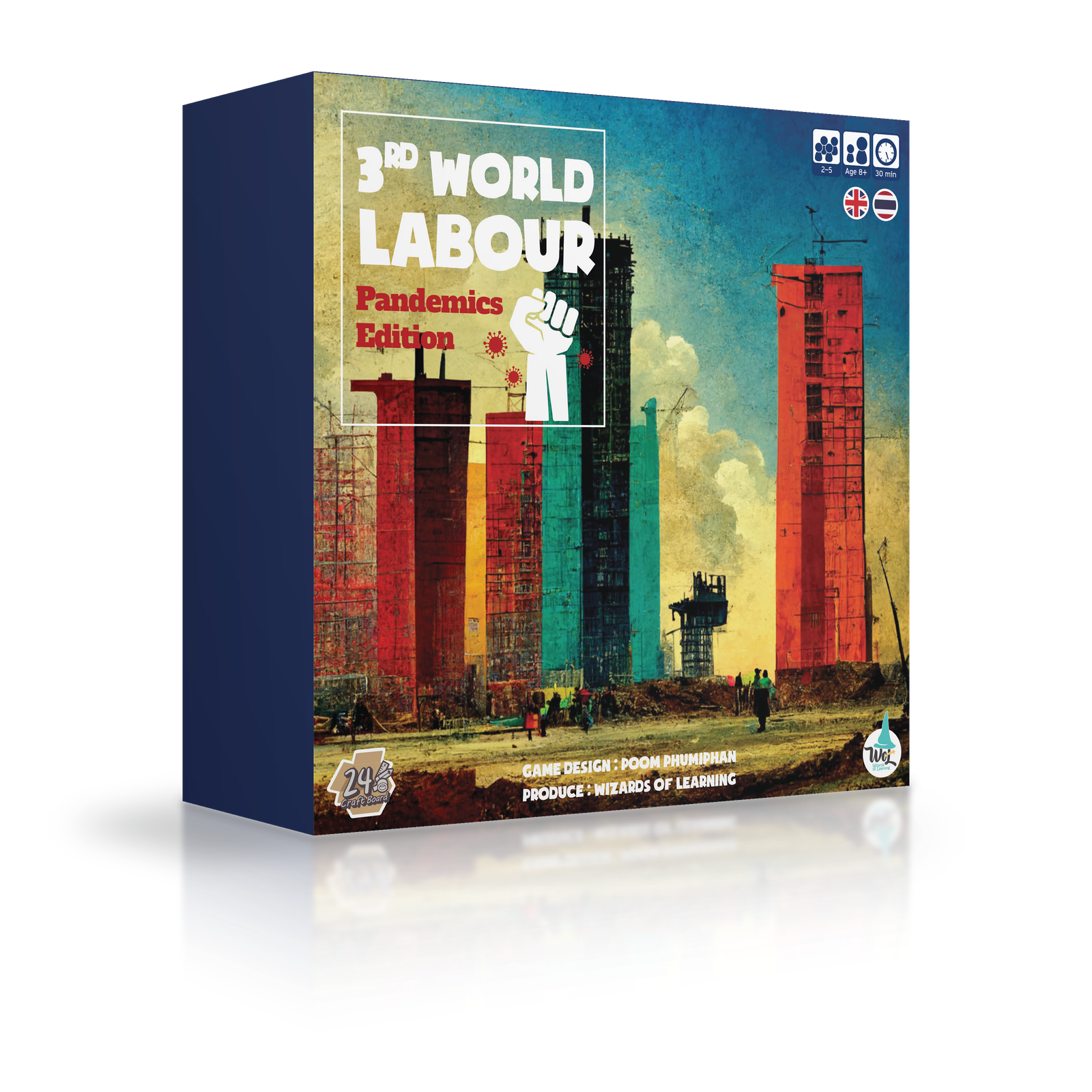
Go to work for wages, or stay home while the bills keep coming?
For sale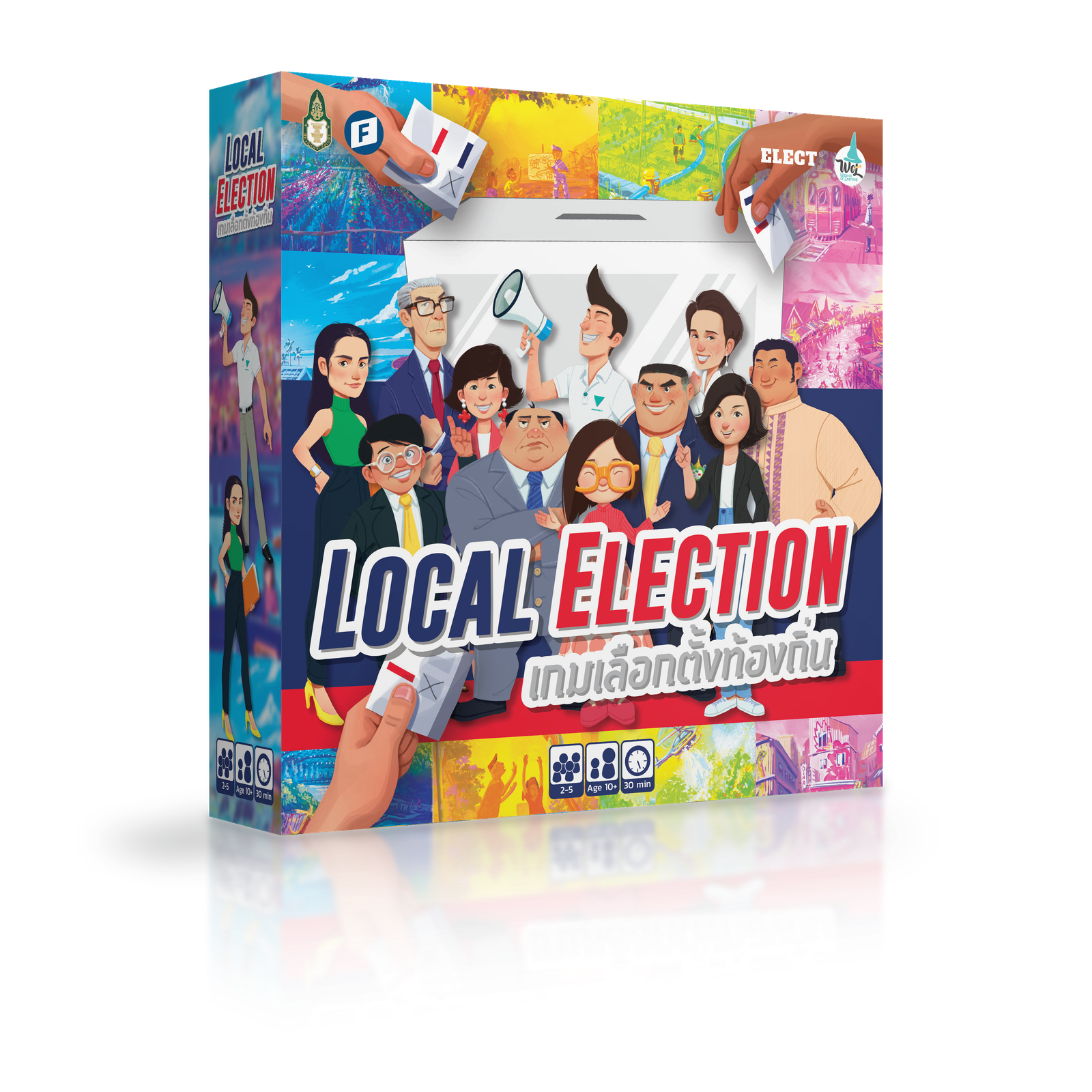
Elect a leader and see which projects can go ahead in two communities.
Request from organization
Which problem do you tackle first when the whole community is waiting?
Request from organization