Rights and advocacy
Explore the game’s scenarios and advocacy actions.
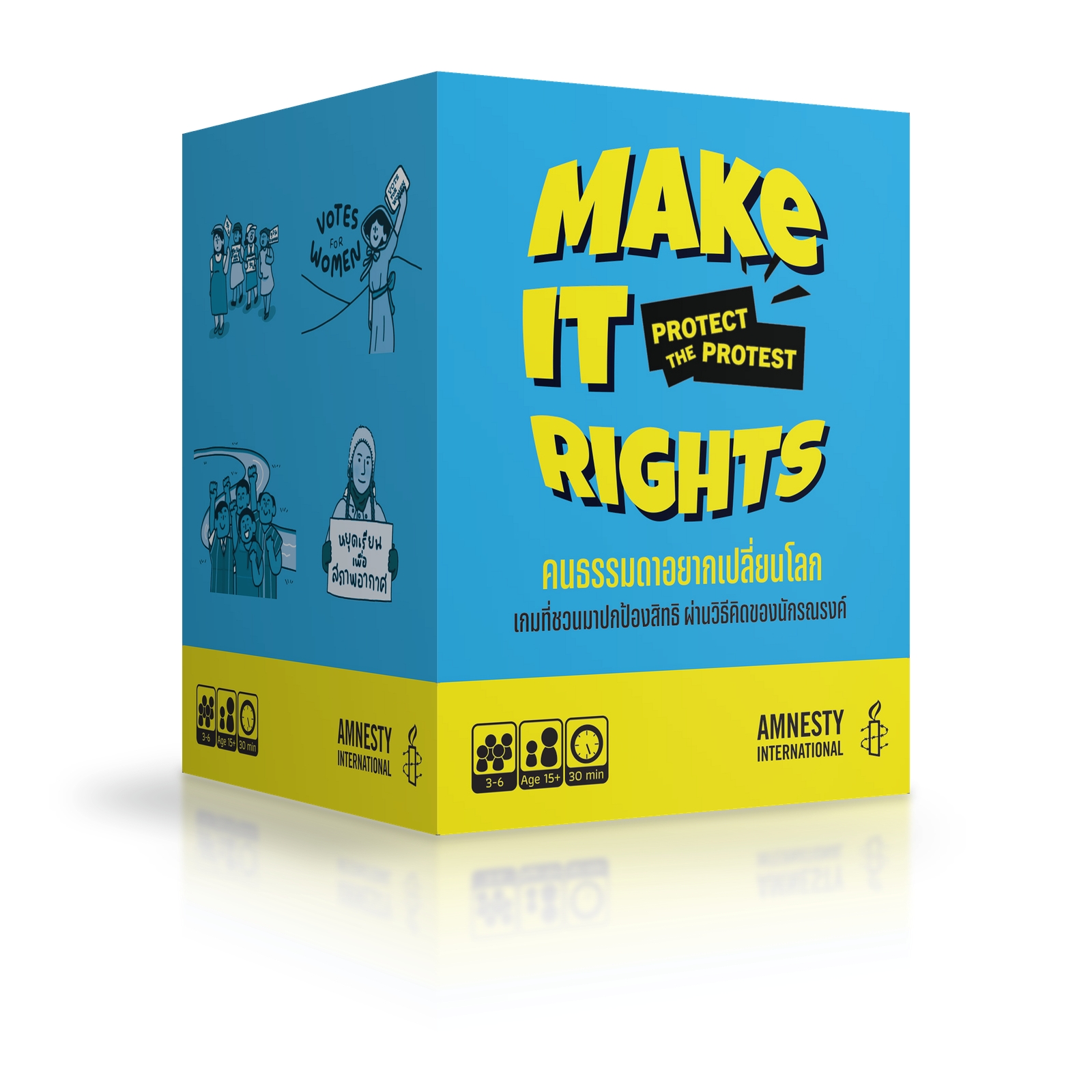
GAME · Rights and advocacy
Plan activities together to stand up for rights.
Players take the roles of a storyteller and campaigners, propose activities using cards, and support approaches to advance rights.
Select Make it Rights in question 2 of Amnesty’s form.
THE EXPERIENCE
A storyteller reveals an event while campaigners propose actions to protect rights.
Players listen, ask questions and support plans before seeing the simulated result.
Combine activity and audience cards.
Support another player’s plan and explain why.
Young people, teachers, facilitators and people interested in human rights
Discussion circles and rights-learning activities
OPEN THE BOX
Over three rounds, the storyteller reveals an event. Campaigners combine two or three cards to propose activities and answer questions. Players support another player’s plan, then draw result cards to determine success. After three rounds, count the group’s success cards. The winning threshold is being confirmed because two passages in the rulebook differ.
22 event cards, 48 activity cards, 21 success cards, eight result cards, five goal cards, six challenge cards, six support tokens and 14 leader tokens.
LEARNING THROUGH PLAY
Use the experience at the table as a starting point for questions and conversation.
Explore the game’s scenarios and advocacy actions.
Connect activities with their intended audiences.
Compare reasons for supporting others’ plans.
FROM PLAY TO CONVERSATION
For teachers, parents and facilitators. Adapt to your group and time.
Introduce the storyteller and campaigner roles and agree to listen respectfully to different views.
Which rights or affected groups are involved in this scenario?
Invite campaigners to use cards to propose an approach and explain how the activity and audience connect to the scenario.
Who is this approach asking to act, and what constraints should be considered?
Compare the supported plans and game outcomes, separating the simulation from information that would need checking in a real situation.
For a real plan, whose perspectives and what further information would be needed?
PLAY OUT IN THE WORLD
Discover the game through events, player and teacher voices, and related studies.
Events, articles and videos from their original sources. Open each entry for its context, game edition and scope.
Showing 1 of 1 sources
Amnesty’s report describes game development and prototype use in workshops.
Human Rights Education 2024 report, page 17
Organization report about the prototype
Prototype; printing not identified
MADE WITH CARE
Credits follow the WoL work register and project sources; individual names remain to be checked.
KEEP EXPLORING
Each game opens another perspective. Find the next question you want to explore together.
Explore all games & toolkits →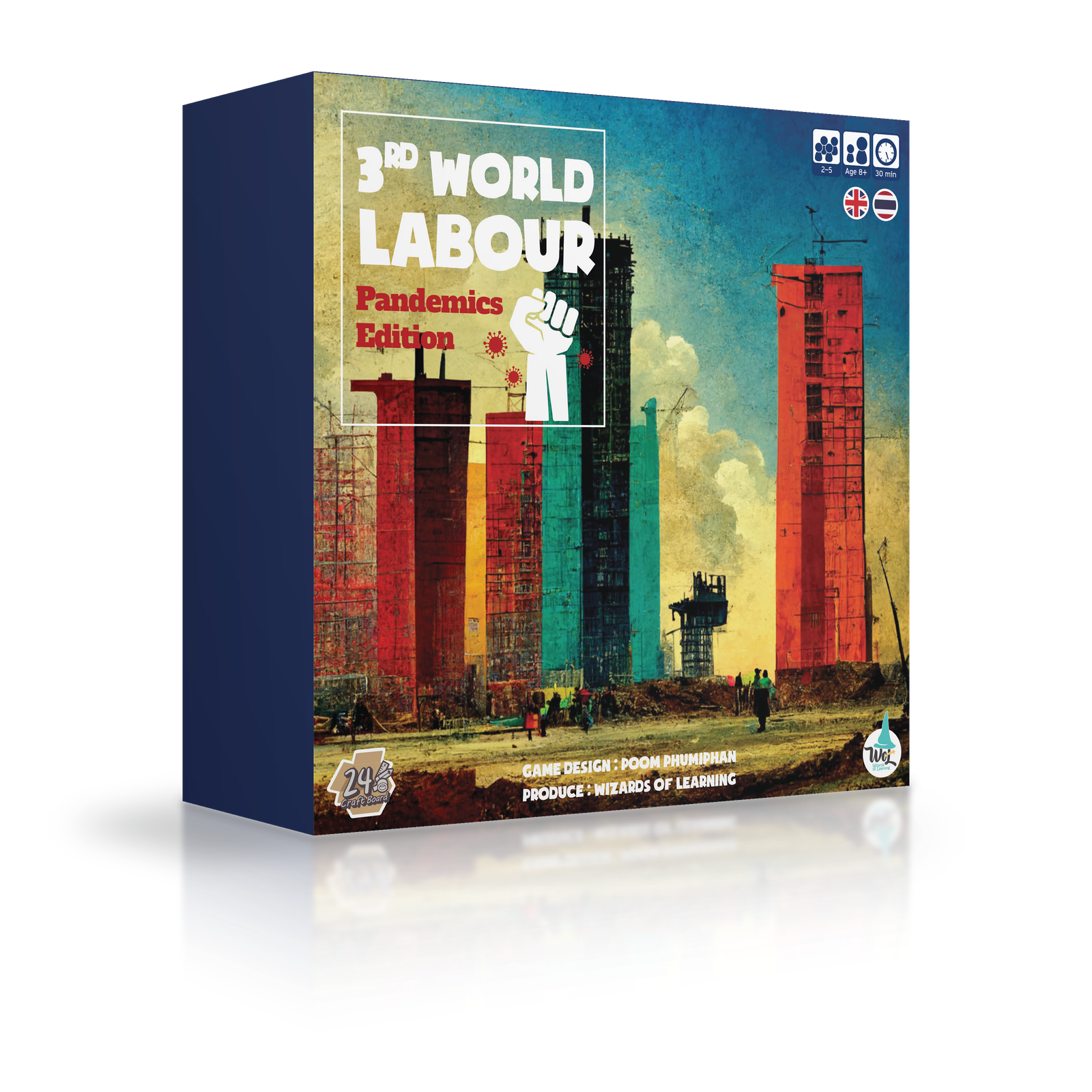
Go to work for wages, or stay home while the bills keep coming?
For sale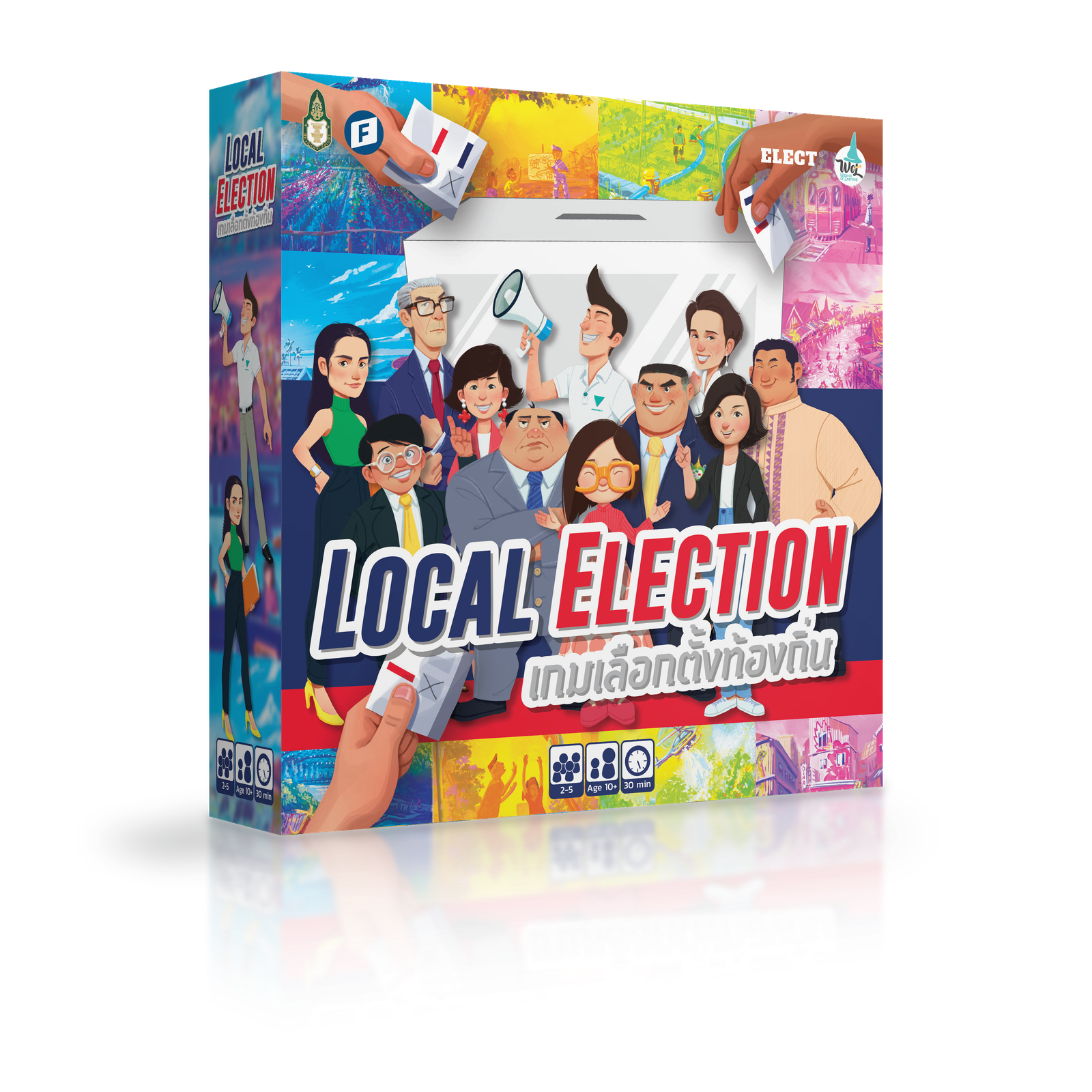
Elect a leader and see which projects can go ahead in two communities.
Request from organization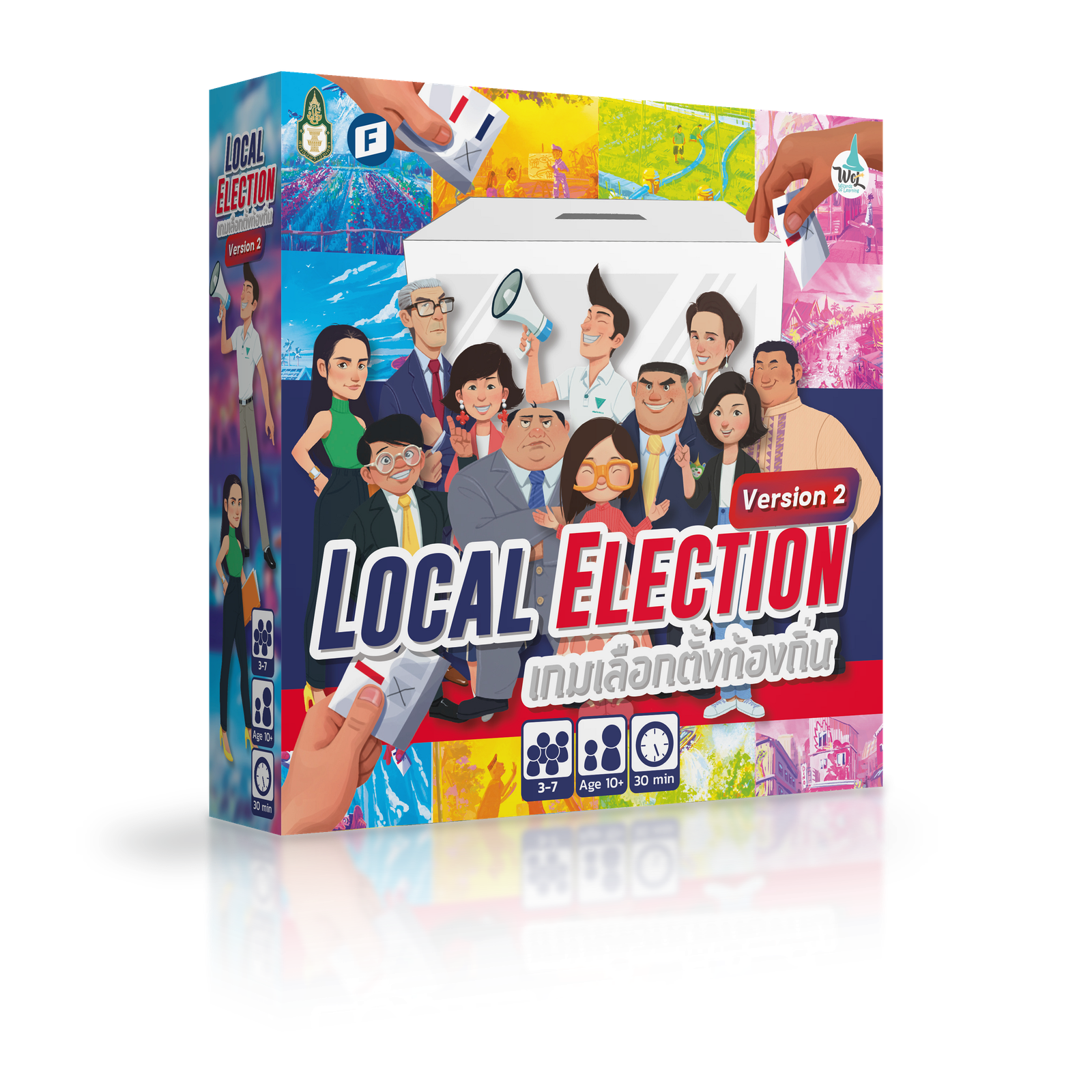
Elect a leader and see how budgets and policies shape your community.
Request from organization