Seeing a water system
Connect the city’s water needs with tasks across the facility.



GAME · Environment
Water management in a city of otters
Enough water. The right quality.
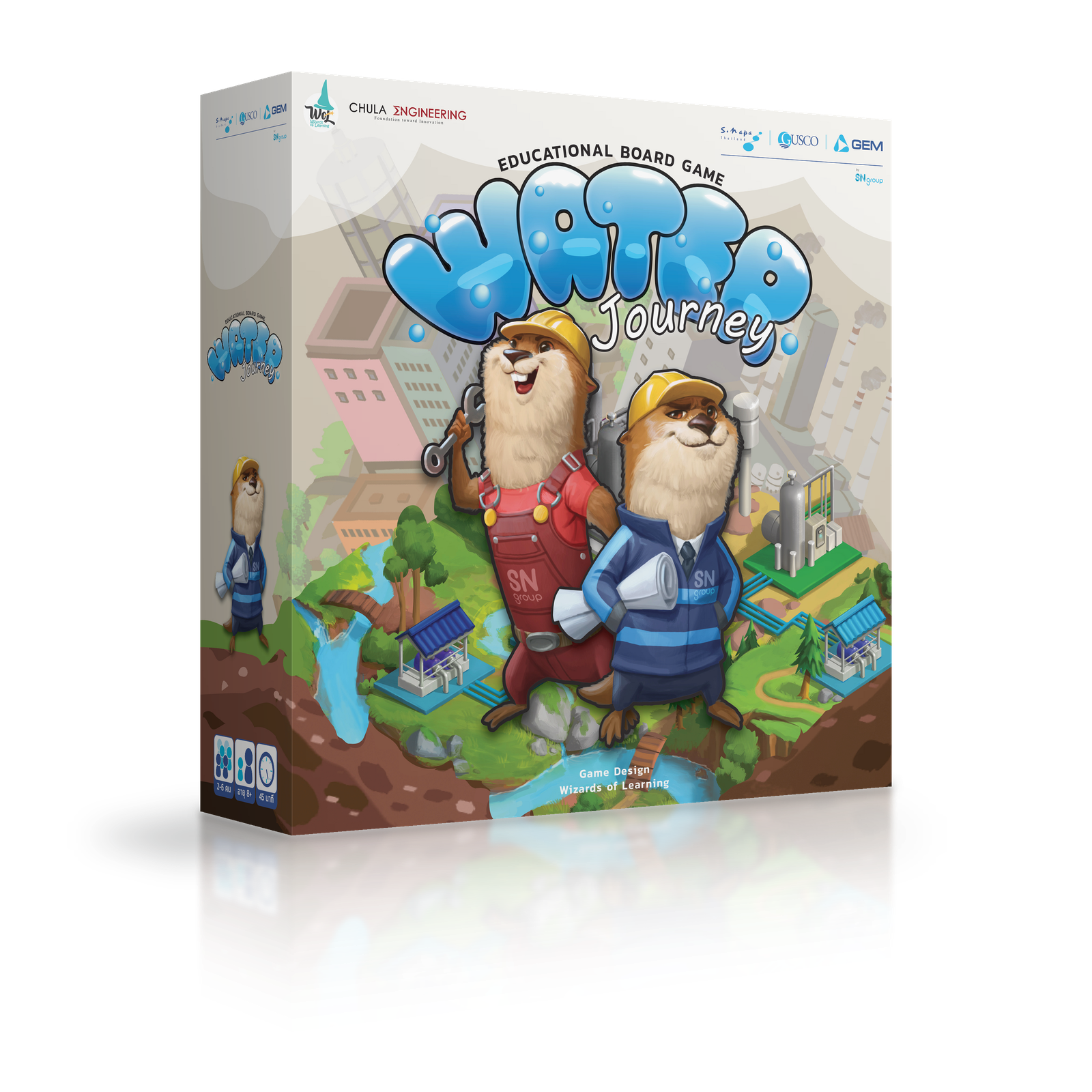
Each player manages workers at a water facility in a city of otters, producing and delivering water to meet demand while managing wastewater and earning points.
Ask the relevant organization about access and product details.
In use & related media · 6 sources →THE EXPERIENCE
In Water Land, a city of otters, each player manages workers to produce and deliver water that meets demand for quantity and quality, competing to earn points from fulfilled missions.
Assign workers to different parts of the facility. Tasks take different amounts of time, while wastewater levels also need attention. Planning invites players to consider immediate needs alongside the wider system.
Different tasks take different amounts of time, making timing and priorities part of the decision.
Consider the city’s need for water alongside quality and wastewater.
Teachers, facilitators and players aged 8 and up who want to explore water management and its interconnected effects
Use in game groups, classrooms or environmental activities, then connect water production, wastewater treatment and the city’s needs to real-world situations
Connections to themes in the game, not evidence of measured outcomes.
Explore urban water management and water quality, connecting to clean water and water management.
Read the UN goal ↗This content has not been approved by the United Nations and does not reflect the views of the United Nations or its officials or Member States. United Nations SDGs ↗
OPEN THE BOX
Players take turns assigning workers to pump water, improve its quality, treat wastewater and fulfill demands. Actions take different amounts of time; the player furthest behind on the time track takes the next turn. When any player’s wastewater reaches the specified level, event cards may affect everyone. The game ends once all players pass space 8 on their second lap. Score completed demands and remaining water, subtract each player’s wastewater penalty, and apply an additional penalty to the player or players with the highest wastewater level based on wastewater in the water sources. The highest score wins.
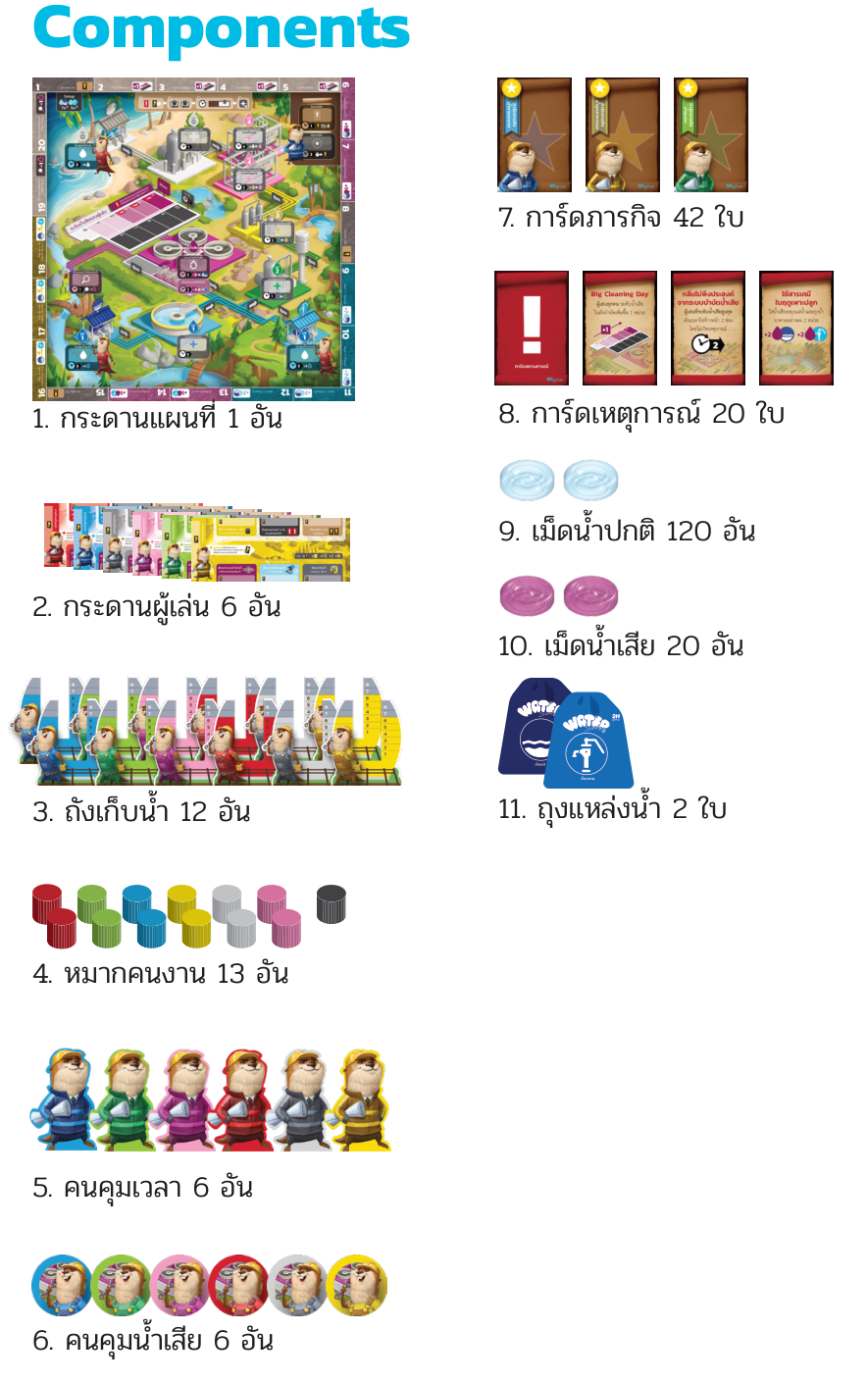
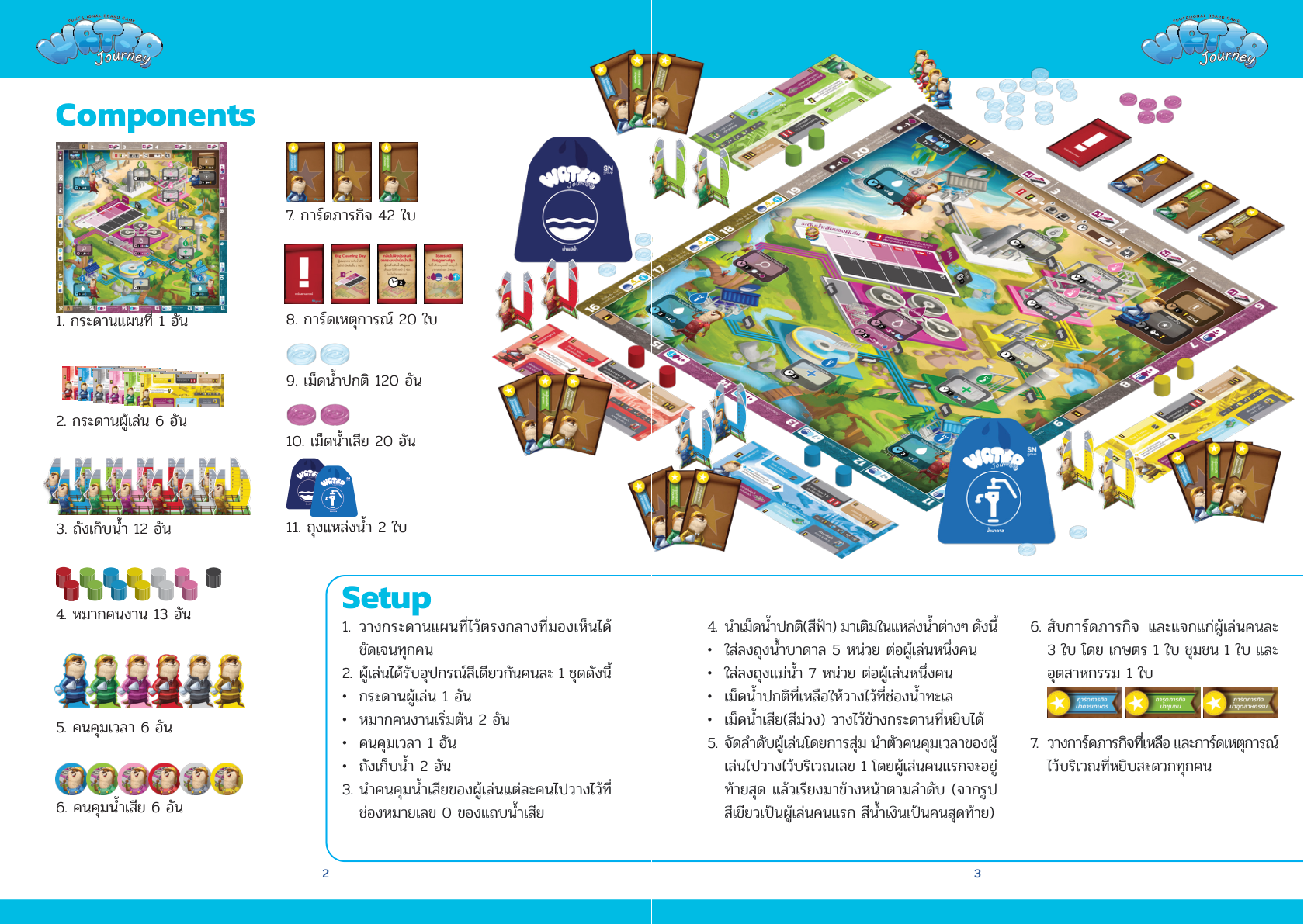
One map board, six player boards, 12 water tanks, 13 workers, six time markers, six wastewater markers, 42 demand cards, 20 event cards, 120 clean-water tokens, 20 wastewater tokens and two water-source bags.
Images from Water Journey source materials. Open an image for full size.
LEARNING THROUGH PLAY
Use the experience at the table as a starting point for questions and conversation.
Connect the city’s water needs with tasks across the facility.
Notice how tasks with different durations affect priorities.
Discuss how quantity, quality and wastewater matter to the city.
FROM PLAY TO CONVERSATION
For teachers, parents and facilitators. Adapt to your group and time.
Trace a possible path from a water source to its users and note a question about quantity or quality.
What steps might water go through before it reaches us?
Let players decide under the rules. Notice time, water quality, demand cards and wastewater without choosing for them.
How did the chosen action affect the mission and available time?
Share one decision, compare its consequences for the facility and water sources, and discuss what the game model includes or leaves out.
If one task were faster, what might change elsewhere in the system?
PLAY OUT IN THE WORLD
Discover the game through events, player and teacher voices, and related studies.
Events, articles and videos from their original sources. Open each entry for its context, game edition and scope.
Showing 6 of 6 sources
S.Napa reports that children and adults played Nong Nak Rak Nam: A Water Journey at Board Game Fin Fest at the Bank of Thailand Learning Center.
Event · Play activity
Report by S.Napa, a participating organization; no measured learning outcomes reported
Source names A Water Journey
A teacher describes using Water Journey as inspiration for Trading of Sukhothai, an enrichment activity.
Game design · History
Teacher’s account of inspiration; not evidence that Water Journey was played in that classroom
Water Journey · Edition unspecified
A Water Journey how-to video from the bgn squad channel.
Video · How to play
How-to video
Water Journey · Check edition in video
Bangkok Biz News reports a Water Journey competition organized by SN Group and Chulalongkorn Engineering, with 40 secondary-school teams from 40 schools.
Youth · Competition
News report of participation, not measured learning outcomes
Water Journey · Edition unspecified
TK Park lists Water Journey among games invited for an environmental-themed activity.
TK Park · Theme listed for 11 January 2026; the page’s event date range begins 8 February
Event listing; does not confirm play, attendance or learning outcomes
Edition unspecified in source
TK Park lists Water Journey among games invited for an activity at Bangkok Children’s Discovery Museum in Chatuchak.
Tour announcement · 18 January 2026 · Bangkok Children’s Discovery Museum
Event listing; does not confirm play or learning outcomes
Edition unspecified in source
MADE WITH CARE
Roles and Thai names follow the 2019 Water Journey production rulebook. Names without a verified English spelling appear as printed in Thai.
KEEP EXPLORING
Each game opens another perspective. Find the next question you want to explore together.
Explore all games & toolkits →
A small game. A bigger conversation about ecosystems.
For sale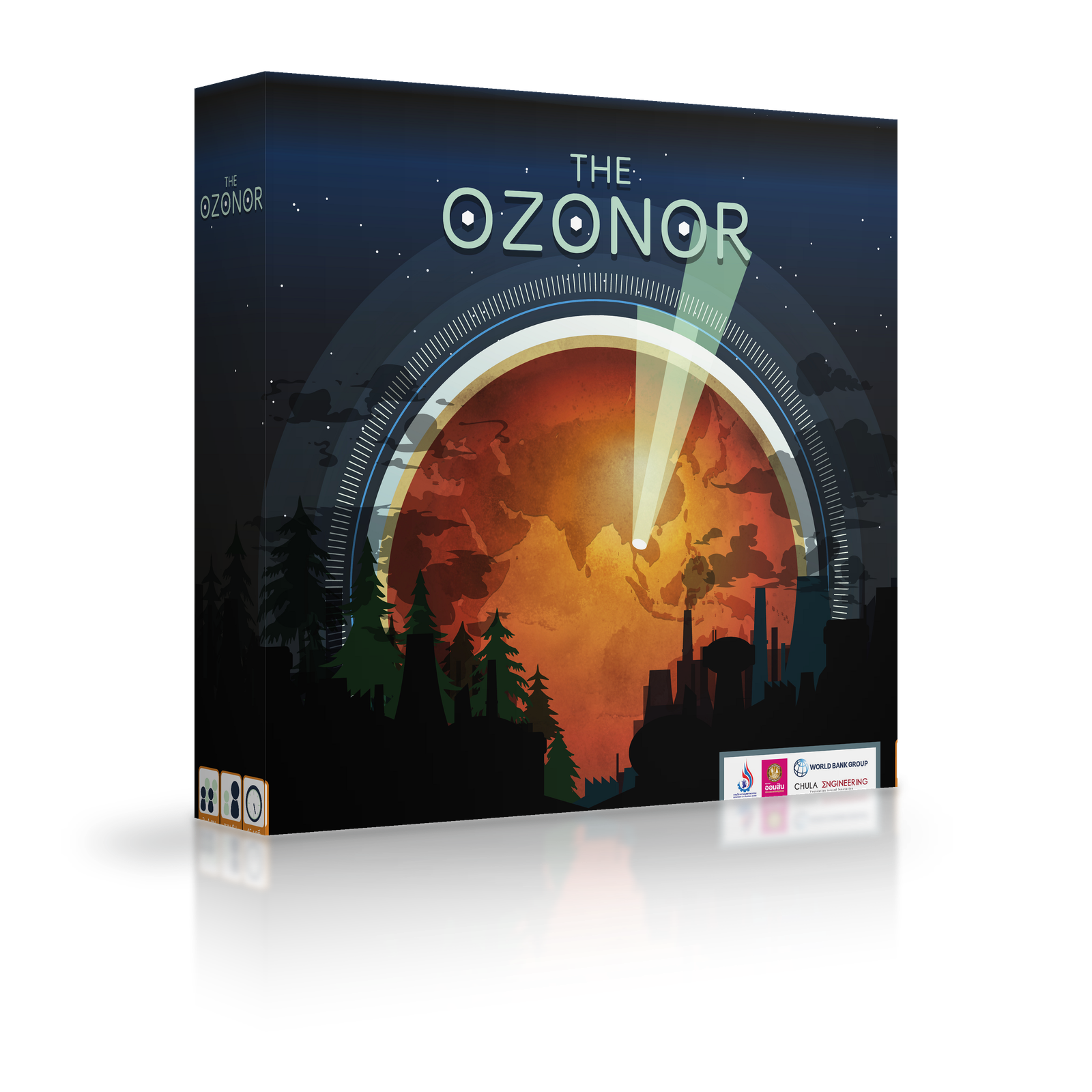

Run a profitable factory before rising temperatures make everyone lose
Request from organization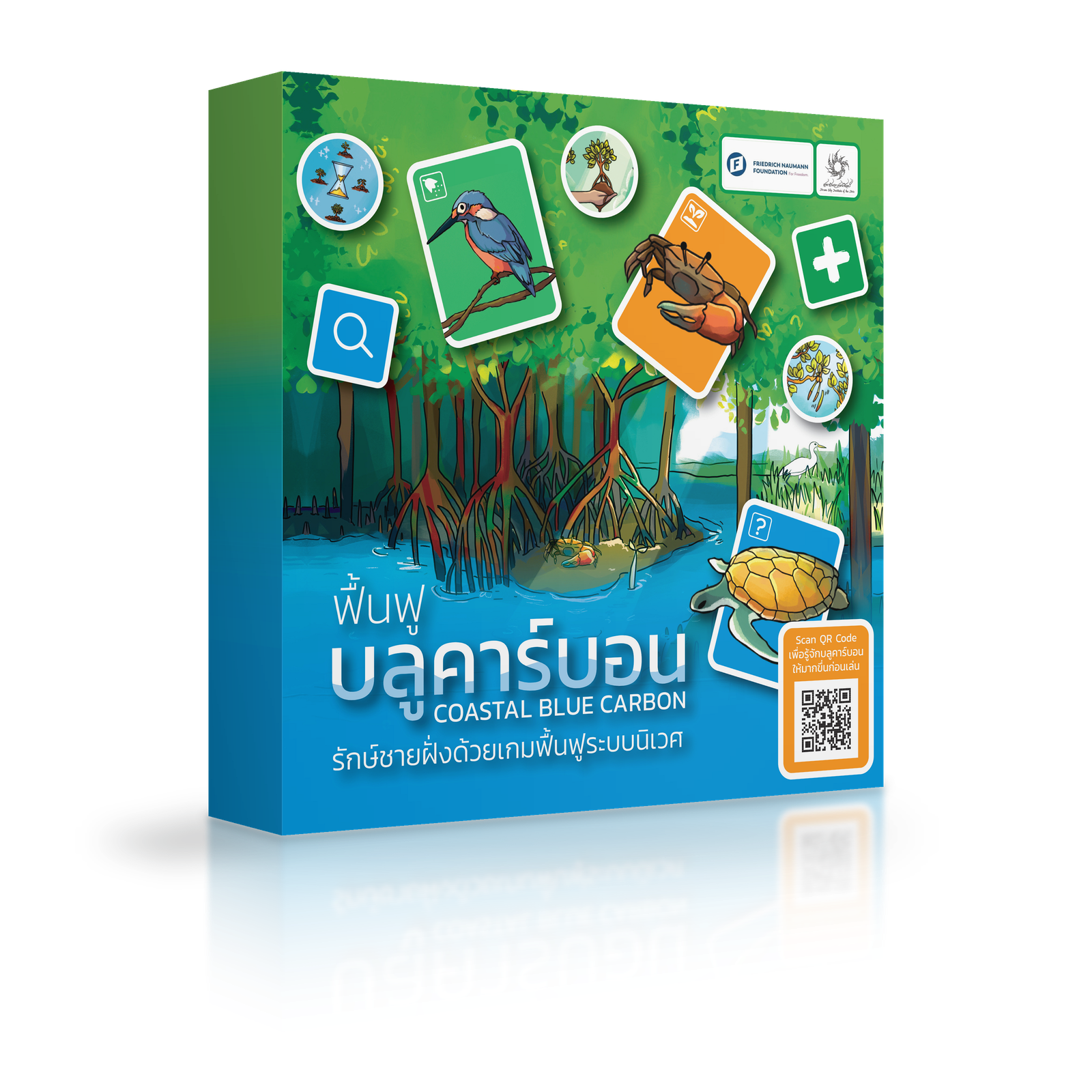
Restore the coast one habitat at a time and see which animals can move in
Request from organization