Stages of the justice process
Use the game’s investigation and court phases as a starting point to explore the real process.


GAME · Rights & justice
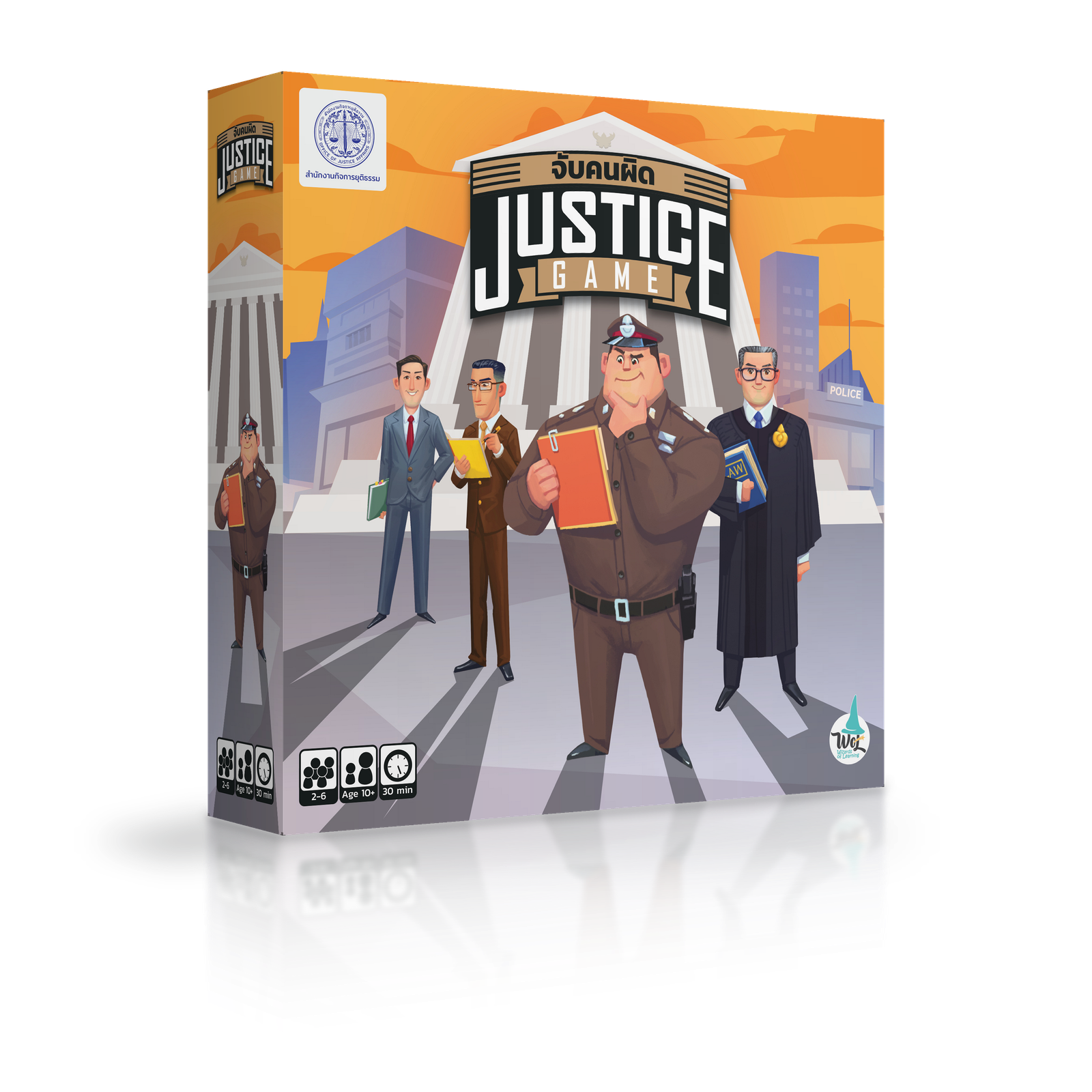
A game about criminal justice
From suspicion to verdict, which evidence changes the case?
Play relatives of suspects, submit evidence during investigation and trial, and protect a secretly assigned side.
For teaching or sharing knowledge. Quantities are limited.
THE EXPERIENCE
In Justice Game, players are relatives of suspects in two criminal cases. Each secretly belongs to a side and makes decisions using the evidence available at each stage.
During investigation, players submit evidence and use lawyer cards to change suspicion. In court, evidence for innocence or guilt influences verdicts. The outcomes of both cases determine which side wins.
Balance protecting a relative with the consequences for your side.
Decide from the information available without knowing every player’s secret affiliation.
Young people, teachers, facilitators and people interested in justice
Classrooms, rights activities and facilitated conversations
Connections to themes in the game, not evidence of measured outcomes.
Explore justice and access to justice.
Read the UN goal ↗This content has not been approved by the United Nations and does not reflect the views of the United Nations or its officials or Member States. United Nations SDGs ↗
OPEN THE BOX
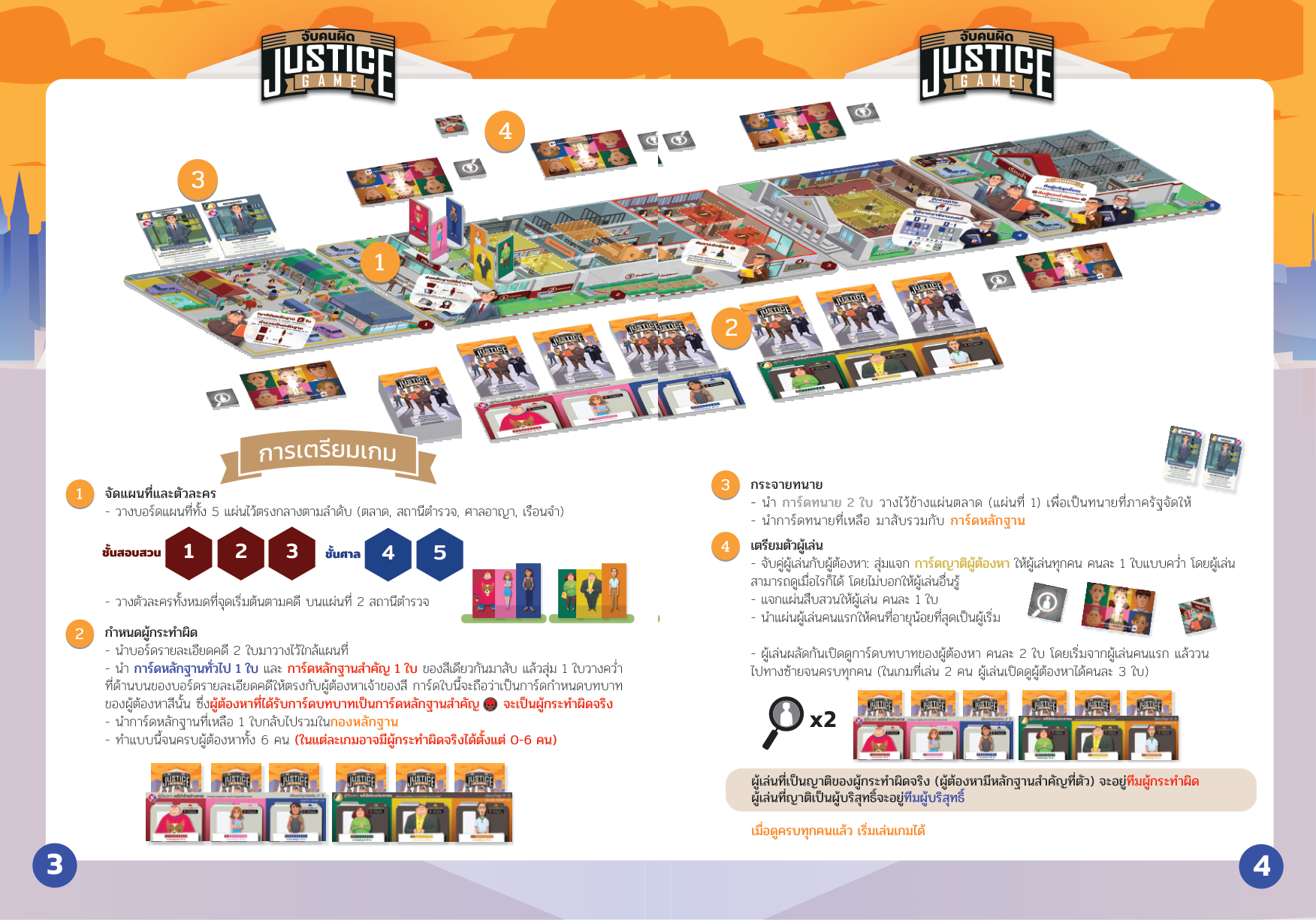
Players have relatives among the suspects and secret affiliations. During investigation, submit evidence and use lawyer cards to change suspicion. Prosecuted suspects proceed to court, where evidence for innocence or guilt determines verdicts. The innocent side wins if more truly guilty than innocent suspects are imprisoned; otherwise, the guilty side wins. A confession rule may change a player’s side.
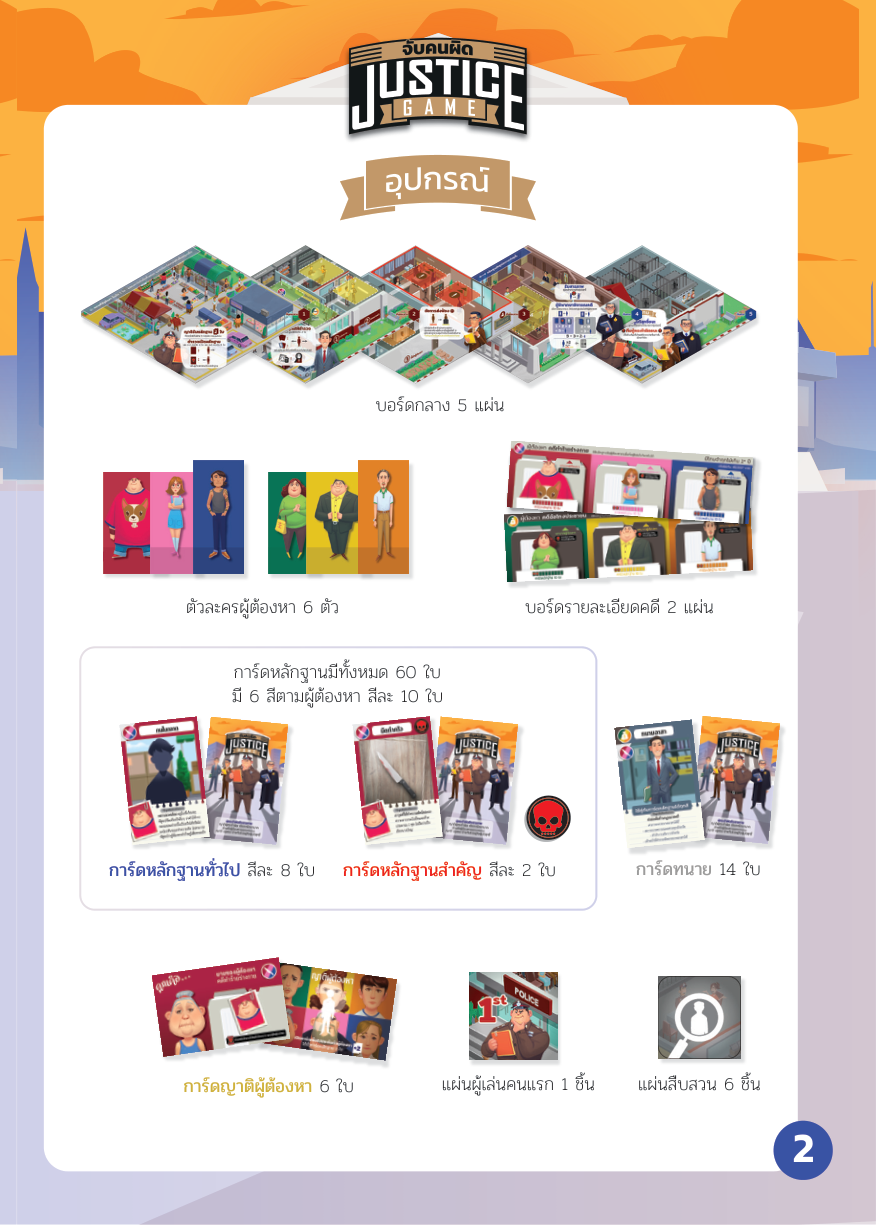
Five map boards, six suspect characters, two case boards, six relative cards, 60 evidence cards, 14 lawyer cards, one first-player marker and six investigation markers.
Images from Justice Game source materials. Open an image for full size.
LEARNING THROUGH PLAY
Use the experience at the table as a starting point for questions and conversation.
Use the game’s investigation and court phases as a starting point to explore the real process.
Notice how players decide without knowing all the information.
Compare player goals and consequences for people involved in a case.
FROM PLAY TO CONVERSATION
For teachers, parents and facilitators. Adapt to your group and time.
Create a supportive space and invite players to share what they already understand about the justice process without judging answers.
What comes to mind when you think about the justice process?
Let players make their own decisions under the rules. Observe roles, evidence and moments of uncertainty without revealing hidden information.
How does the evidence available change your choices?
Start with feelings and events from play, then compare the simplified game process with current, reliable sources about the real process.
What would you like to understand further about the justice process after playing?
PLAY OUT IN THE WORLD
Discover the game through events, player and teacher voices, and related studies.
Events, articles and videos from their original sources. Open each entry for its context, game edition and scope.
Showing 4 of 4 sources
The Active reports the game’s origins and interviewee accounts of use in organizations and schools.
Media · Interview
Article and interviewee accounts
Justice Game · Edition unspecified
The Office of Justice Affairs reports network training on 31 August–1 September 2023 with over 60 participants from 22 organizations.
2023 annual report · Staff and network training
Attendance as reported, not measured learning outcomes
Justice Game · Production edition unspecified
The Office of Justice Affairs and Chiang Mai University’s Faculty of Law report training on 9 April 2024 with 23 participants from five organizations.
9 April 2024 · Chiang Mai University
Organizer report of training, not measured learning outcomes
Justice Game · Production edition unspecified
The Ministry of Justice reports that students played Justice Game and discussed their observations. The activity also included the online game Justice Divers.
University · Legal learning
Ministry of Justice activity report
Edition unspecified
MADE WITH CARE
Credits from the production rulebook and the designer’s confirmed personal credit.
KEEP EXPLORING
Each game opens another perspective. Find the next question you want to explore together.
Explore all games & toolkits →
When the cards turn over, what could the character do and who could help?
Request from organization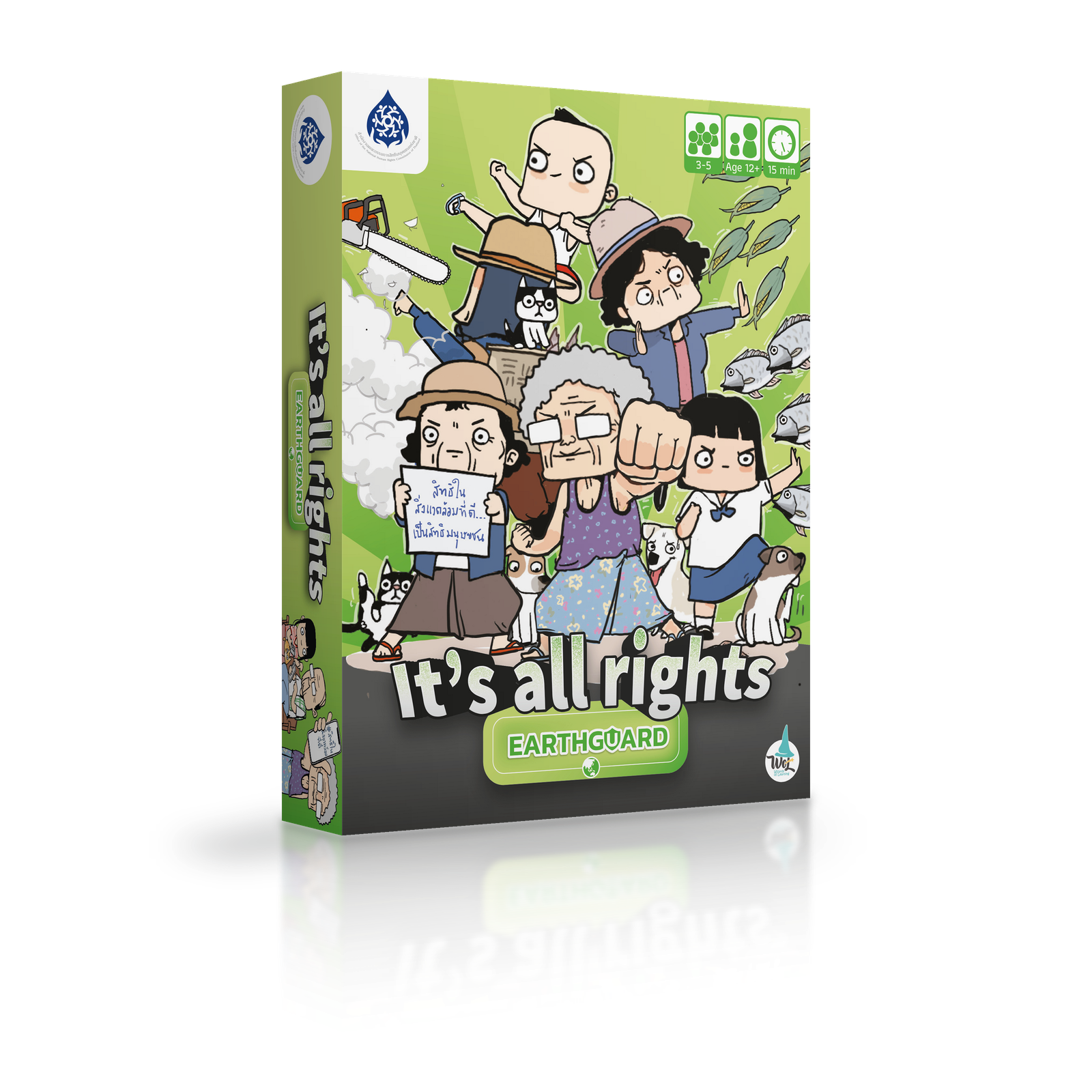
Take three cards and build community rights before the world reaches its tipping point
Request from organization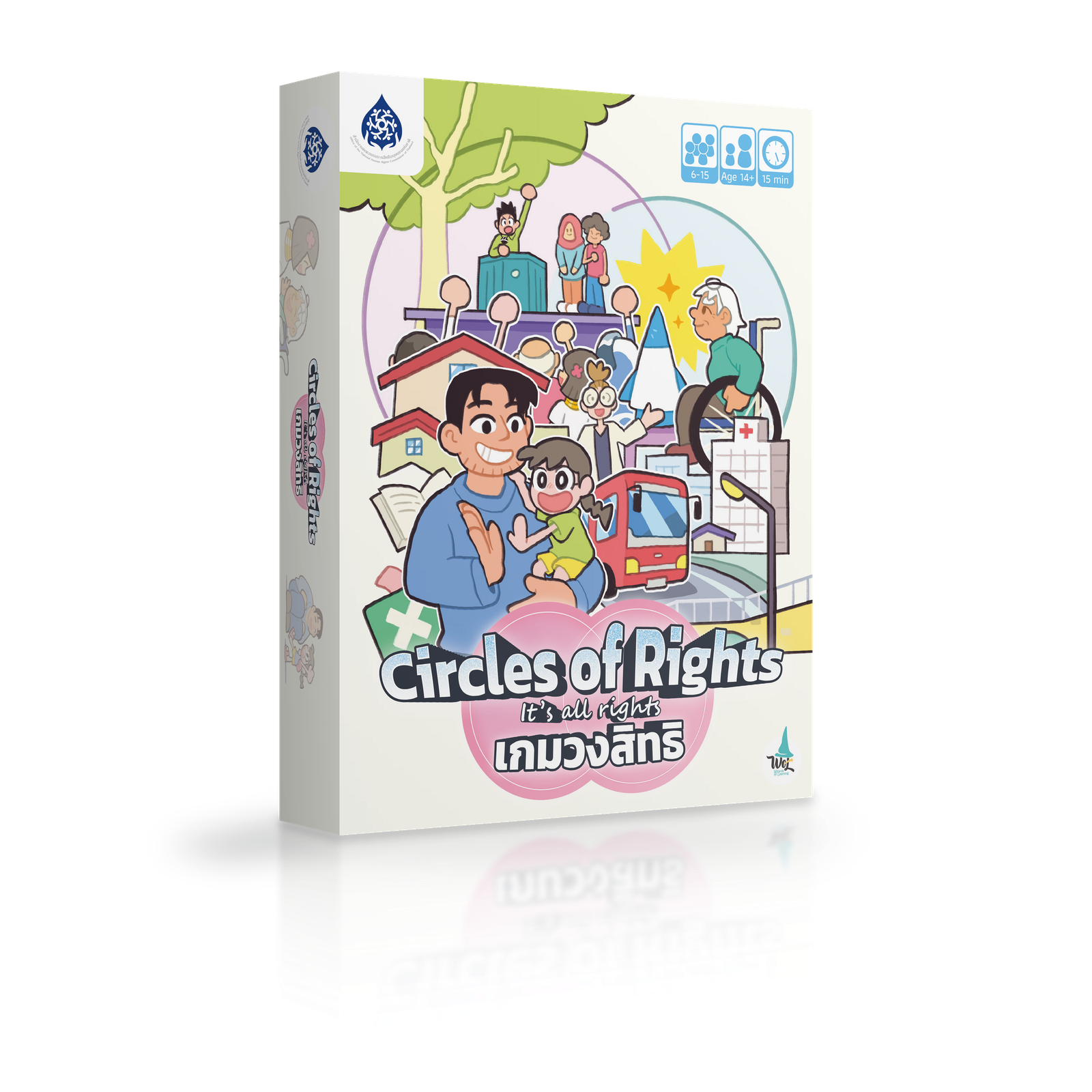
Does one word belong in the left circle, the right circle, or both?
Request from organization