Choices in fictional situations
Discuss card choices without judging children’s experiences.

GAME · Children’s rights & safety
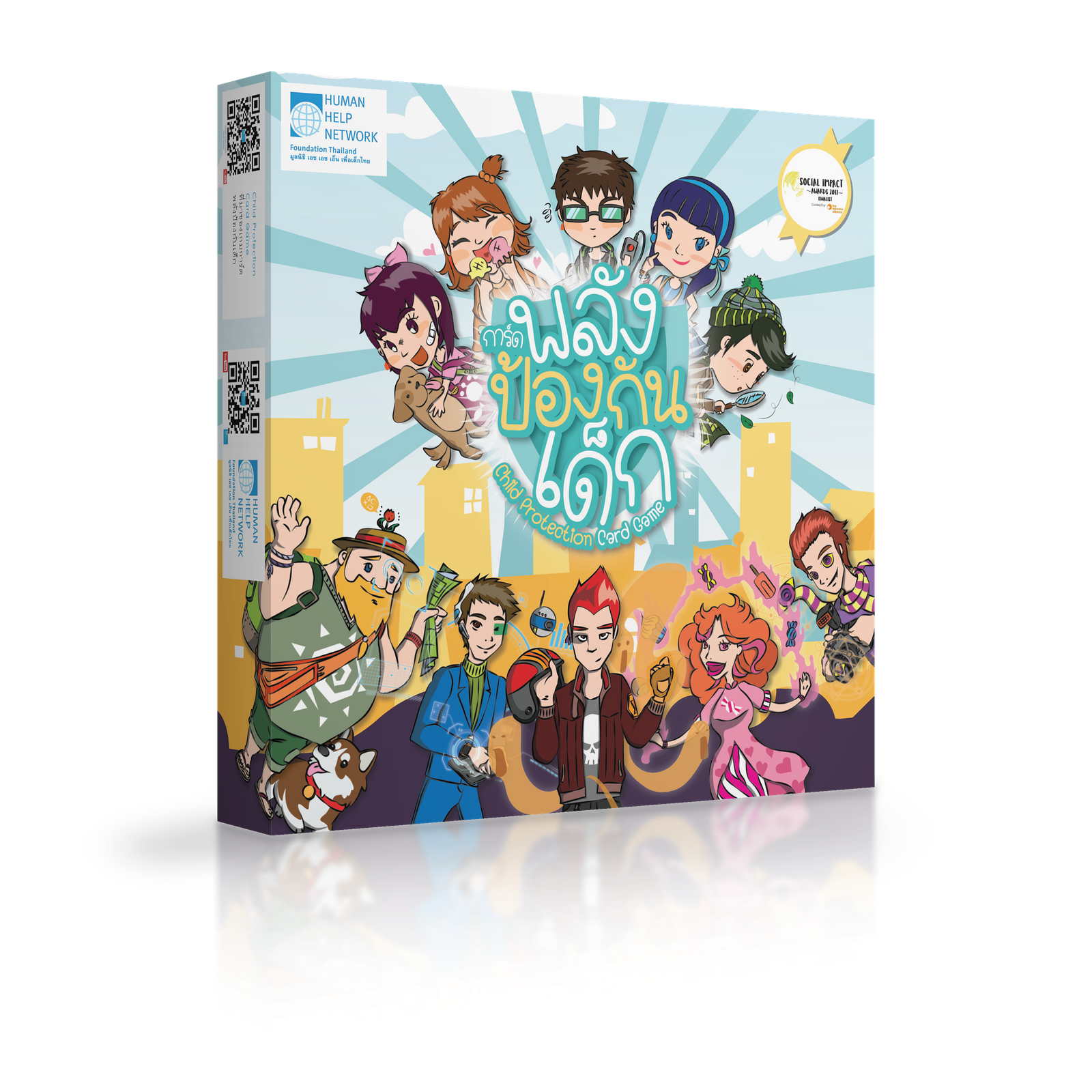
A card game about child protection
When the cards turn over, what could the character do and who could help?
Two teams reveal persuasion and decision cards simultaneously. Facilitators can use these fictional situations to discuss boundaries and asking for help.
Ask the relevant organization about access and product details.
In use & related media · 3 sources →THE EXPERIENCE
Players form two teams and use persuasion and decision cards to simulate situations before comparing power under the rules.
After play, facilitators can discuss seeking help, letting children choose whether to participate without asking them to disclose personal experiences to the group.
The children’s team considers options for a fictional card scenario.
Identify trusted adults or organizations that children can approach.
Children, parents, teachers and child-protection practitioners
Safety-learning activities with adults prepared to facilitate the conversation
Connections to themes in the game, not evidence of measured outcomes.
Discuss protecting children from unsafe persuasion and harm, relating to target 16.2 on ending violence against children.
Read the UN goal ↗This content has not been approved by the United Nations and does not reflect the views of the United Nations or its officials or Member States. United Nations SDGs ↗
OPEN THE BOX
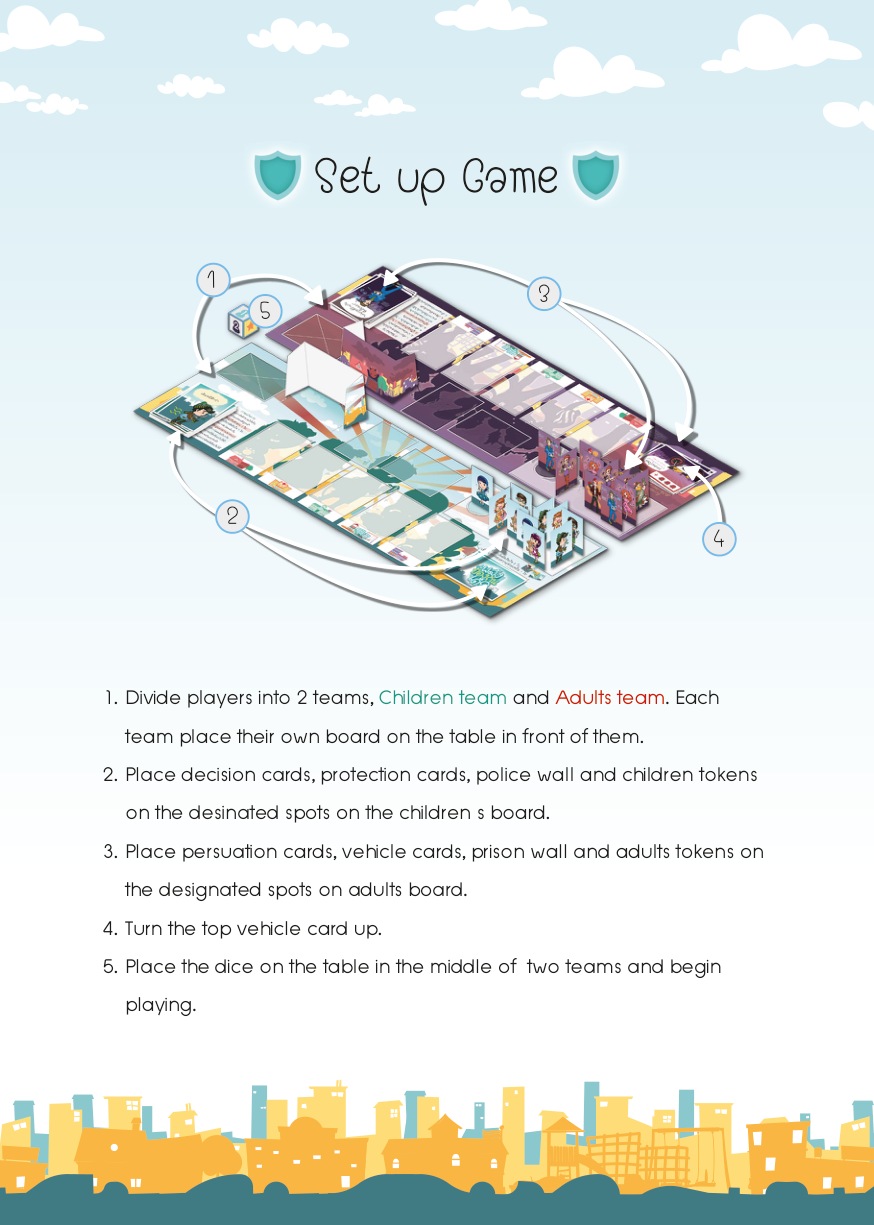
Divide into Children and Adults teams. Each turn the Adults team plays a persuasion card and the Children team chooses a decision card. Reveal and compare combined power. The Children team may use protection cards to rescue captured tokens, while the Adults team may use vehicle cards to increase attack power; these may require a die roll. The game ends when either team loses all tokens or runs out of cards. If cards run out, the team with more remaining tokens wins.
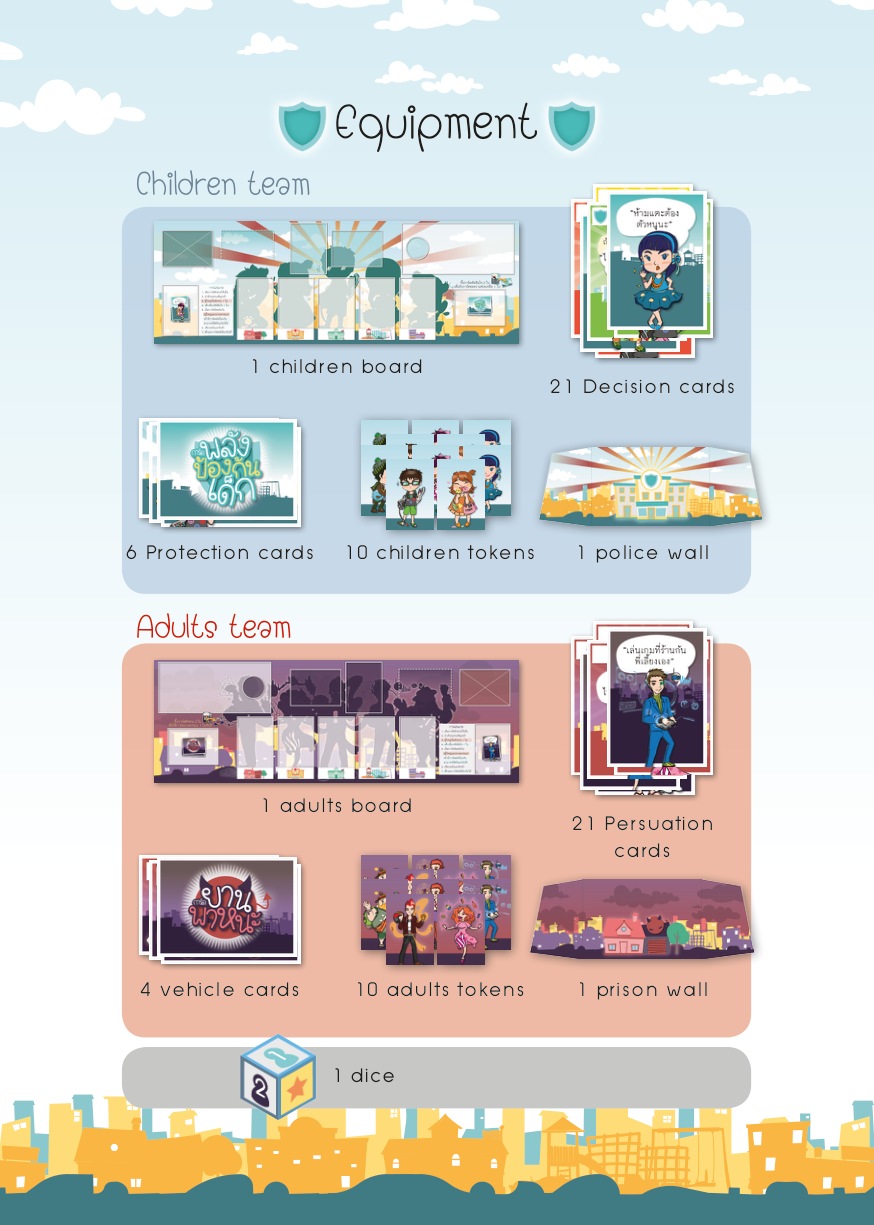
One children’s board and one adults’ board, 21 decision cards, 21 persuasion cards, six protection cards, four vehicle cards, ten children tokens, ten adults tokens, a police wall, a prison wall and one die.
Images from Child Protection Card Game source materials. Open an image for full size.
LEARNING THROUGH PLAY
Use the experience at the table as a starting point for questions and conversation.
Discuss card choices without judging children’s experiences.
Identify trusted adults and context-appropriate sources of support.
Invite adults to listen and support safety, affirming that violence is never a child’s fault.
FROM PLAY TO CONVERSATION
For teachers, parents and facilitators. Adapt to your group and time.
Explain that anyone can pause or pass, and arrange a trusted adult who can listen privately without judgment.
Which trusted adult could someone turn to for help?
Explore choices and protection using fictional cards without asking children to disclose personal experiences to the group.
What could the character do next, and whom could they ask for help?
Review locally appropriate ways to seek support, affirm that harm is never a child’s fault, and do not use game scores to judge real behavior.
Who or which service could listen if someone wanted to talk privately?
PLAY OUT IN THE WORLD
Discover the game through events, player and teacher voices, and related studies.
Events, articles and videos from their original sources. Open each entry for its context, game edition and scope.
Showing 3 of 3 sources
A report describes an HHN school activity that included Child Protection Card Game.
School · Foundation activity
Organizer’s activity report
Child Protection Card Game · Edition unspecified
Compassion Thailand reports training for 18 child-protection workers on Rights Bingo and Child Protection Card Game in Umphang on 23 January 2024.
Practitioner training · Umphang, Tak
Organizer report of training on two games and attendance; not measured learning outcomes
Child Protection Card Game · Edition unspecified
Page 124 of the 2018 annual report documents the game as a learning innovation and notes its finalist recognition in the 2017 Social Impact Awards.
2018 annual report · page 124
Report documents project history and award finalist status.
Child Protection Card Game · Edition unspecified
MADE WITH CARE
Co-designer and co-publisher credits confirmed by Chief; components and rules follow the production manual.
KEEP EXPLORING
Each game opens another perspective. Find the next question you want to explore together.
Explore all games & toolkits →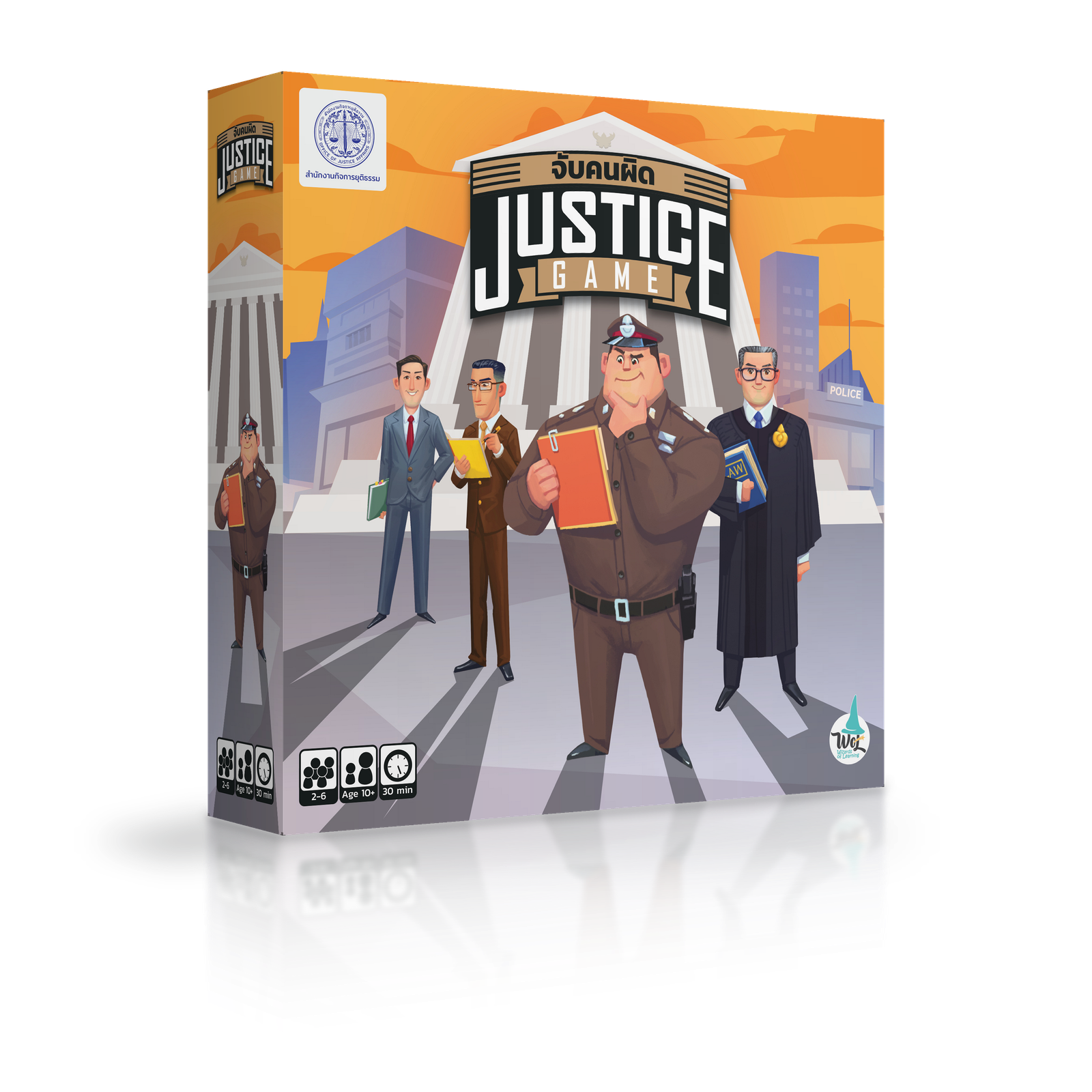
From suspicion to verdict, which evidence changes the case?
Request from organization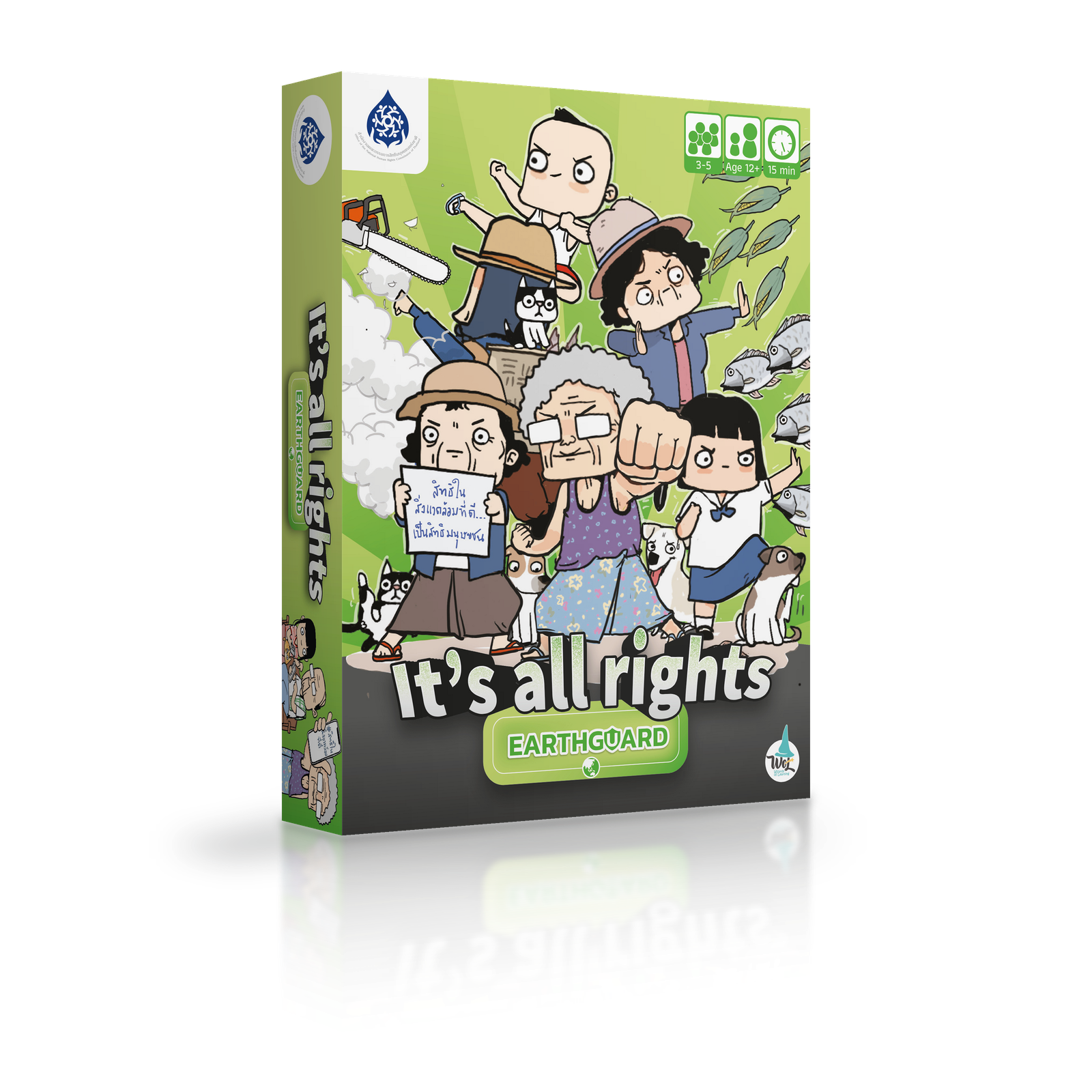
Take three cards and build community rights before the world reaches its tipping point
Request from organization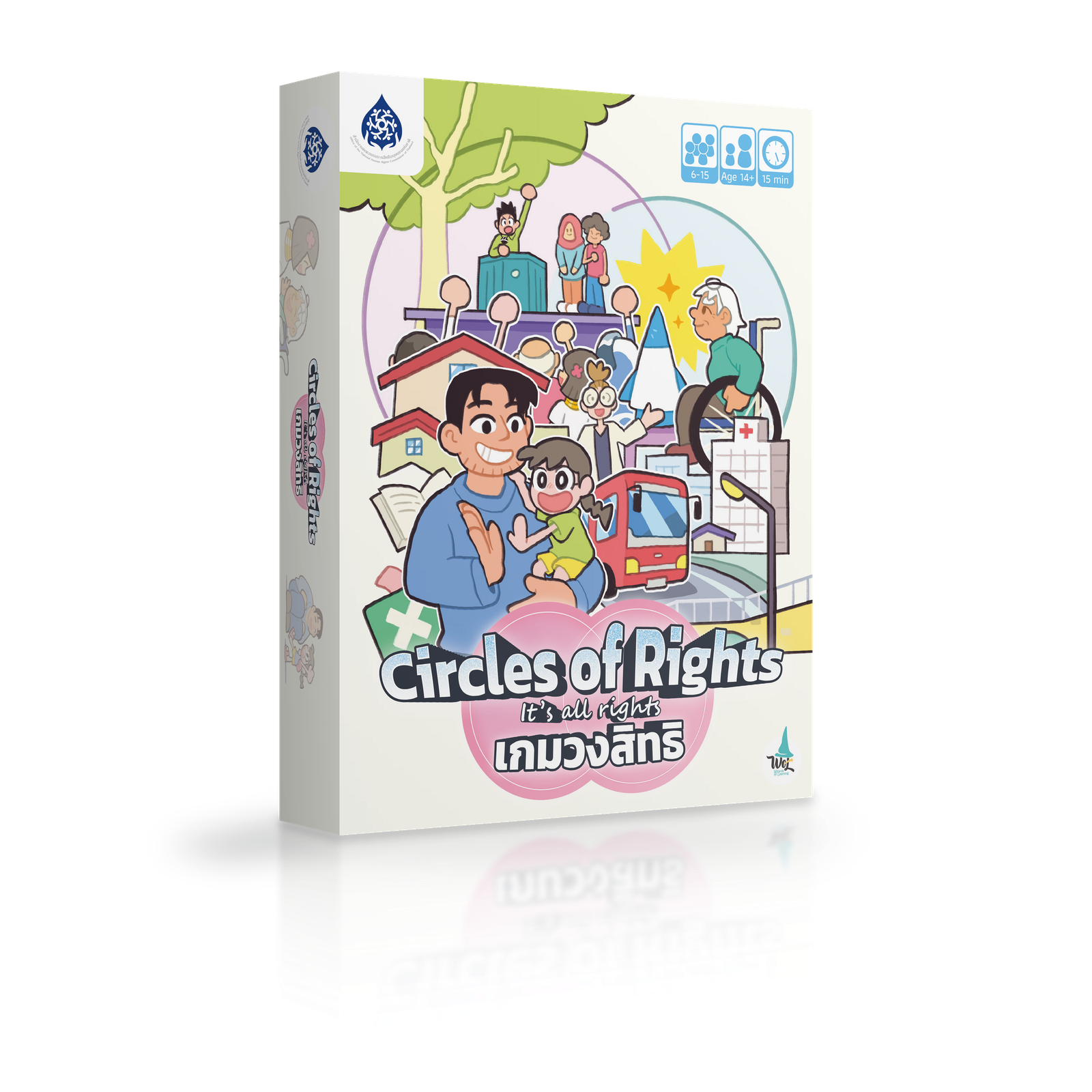
Does one word belong in the left circle, the right circle, or both?
Request from organization